
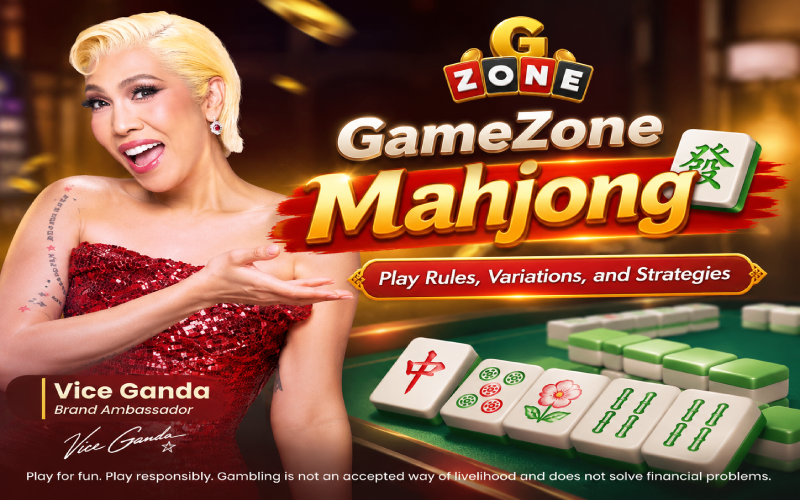
A familiar mahjong table often brings together family, friendly competition, and plenty of diskusyon over the next move. Now, players can enjoy a similar tile-playing experience through mobile gaming. GameZone Mahjong introduces the traditional tile game to players who prefer convenient digital sessions. Whether you’re completely new to mahjong or coming from Tongits, understanding the basic rules makes a big difference. In this guide, we’ll explore tile combinations, popular variations, beginner strategies, and responsible gaming tips. It also sits alongside other gzone titles, including gzone bingo games and gzone fishing games.
Basic Rules of GameZone Mahjong
Mahjong is a four-player tile game built around recognizing patterns and completing combinations. A standard set contains three numbered suits: Dots (Circles), Bamboo, and Characters. Each suit has tiles numbered from one to nine.
There are also honor tiles, consisting of four Winds (East, South, West, and North) and three Dragons (Red, Green, and White). Some sets include eight bonus tiles: four Flowers and four Seasons.
The main objective is to complete a winning hand consisting of four sets and one pair. A set can take several forms:
- Chow: Three consecutive numbers in the same suit, such as 3-4-5 Bamboo.
- Pung: Three identical tiles, such as three Red Dragons.
- Kong: Four identical tiles, usually requiring an additional replacement draw.
- Pair: Two identical tiles that complete the hand.
Players generally begin with 13 tiles, while the dealer starts with 14. On each turn, a player draws a tile and discards one, working toward a complete hand. Depending on the rules, players will claim discarded tiles to complete certain combinations.
A player declares mahjong when the required winning combination is completed. However, scoring requirements and special winning conditions depend on the variation being played.
Popular Variations
Not every mahjong table follows identical rules. Knowing the differences helps beginners understand why certain moves or scoring systems change between games.
Hong Kong-style Mahjong
This variation is popular for its relatively straightforward structure. Players generally build four sets and a pair, with scoring commonly based on faan, or qualifying scoring patterns. Flowers and Seasons will provide bonus points.
Filipino and Chinese-Filipino Home Rules
Many Filipino households have their own mahjong traditions. Some use familiar Chinese-style combinations but introduce different scoring preferences, special declarations, or house rules. It’s worth remembering that there isn’t one universal Filipino mahjong rulebook.
Japanese Riichi Mahjong
Riichi introduces additional strategy and scoring complexity. A player with a closed hand that is one tile away from winning can declare riichi, committing to a particular winning wait under the game’s conditions. Scoring involves han and fu, while defensive play is especially important.
For GameZone Mahjong, don’t automatically assume that every traditional variation applies. Platform rules and scoring will differ, so check the official in-game rules tab before starting.

Mahjong Variations: A Quick Comparison
Here’s a practical comparison of common mahjong formats.
| Variation | Tile Count | Players | Typical Scoring Style | Beginner Difficulty |
|---|---|---|---|---|
| Hong Kong-style | 136 or 144 | 4 | Faan-based scoring | Easy to Moderate |
| Filipino/Chinese-Filipino home rules | Commonly 144; varies | 4 | House-rule scoring | Moderate |
| Japanese Riichi | 136 | 4 | Han and fu | Challenging |
Source note: Tile counts and game structures are based on established mahjong rule formats, including Hong Kong Mahjong Association rules. Filipino home rules vary by household and table.
Strategies for Beginners and Improving Players
Good mahjong decisions come from patience and observation rather than simply collecting matching tiles. These practical tips can help improve your approach.
1. Prioritize tile efficiency.
Look for tiles that can contribute to several possible combinations. For example, a 4 Bamboo can connect with a 2-3 or 5-6 Bamboo sequence. Keeping flexible combinations gives you more options when drawing.
2. Pay attention to discarded tiles.
Discards provide useful clues about opponents’ hands. If someone repeatedly discards tiles from a particular suit, observe the pattern before deciding which tiles to keep or release.
3. Learn when to play defensively.
Chasing a quick winning hand isn’t always the smartest move. If an opponent appears close to winning, avoid discarding tiles that could complete their combination. Sometimes protecting your position is better than forcing an aggressive play.
4. Practice reading combinations.
Learn to recognize potential chows, pungs, and kongs without spending too much time examining every tile. In my own practice sessions, I’ve noticed that recognizing useful patterns early makes decisions feel more natural.
5. Manage your budget and session time.
Players familiar with a gamezone tongits tournament will already understand the importance of patience, observation, and managing decisions under pressure. Mahjong requires similar discipline, but remember that no strategy guarantees a win.
Playing Responsibly
Mahjong should remain entertainment, not a source of income. Before playing, establish a spending budget and a reasonable session limit. Never use money intended for household expenses, borrow funds to continue playing, or chase losses.
Online gaming in the Philippines is intended for adults aged 21 and above, subject to applicable eligibility restrictions. PAGCOR regulates licensed gaming operators and promotes responsible gaming practices. Always verify an operator’s licensing status through the official PAGCOR Guarantee website.
If playing stops being enjoyable or affects your finances and daily responsibilities, take a break. Knowing when to stop is part of good gaming discipline.
Conclusion
Learning GameZone Mahjong starts with understanding tile combinations, turn sequences, and the scoring rules of your chosen variation. Take time to practice, observe opponents, and develop your own diskarte without rushing every decision. If you’re ready to explore the game, check the current in-game rules first, set sensible limits, and enjoy each session responsibly.
Frequently Asked Questions
GameZone Mahjong is a digital mahjong gaming experience associated with the GameZone platform. It brings traditional tile-based gameplay into an online format where players can enjoy the game through compatible devices.
Not necessarily. The basic objective is simple: complete four sets and a pair. Learning tile efficiency, scoring patterns, and defensive strategies takes more practice, but beginners can start by understanding the basic combinations.
Mahjong uses numbered and honor tiles to create specific combinations, while Tongits uses a standard playing-card deck. Both reward observation and strategic decisions, although their winning conditions and gameplay mechanics are different.
GameZone offers an online gaming experience, but device compatibility and game availability can depend on the current platform setup. Check the official GameZone website and supported-device information before playing.
Set a spending budget and session time limit before starting. Play only for entertainment, avoid chasing losses, and stop whenever gaming begins affecting your finances, responsibilities, or well-being. Online gambling is strictly for eligible adults aged 21 and above.